Substance Use Therapy
Nanaimo • Online Counselling
Individual & Couples Counselling | Workshops & Intensives
Is This You?
The Negotiation You Can't Win
You get up. You go to work. You show up for your family. But there’s a private pattern you keep negotiating with. You promise yourself you’ll cut back, take a break, or stop altogether once things calm down. Sometimes it works… until it doesn’t .
Substance use often start as relief; a way to deal with anxiety, sleep, or get through the day. Over time, substances become the fastest, most reliable way your nervous system knows how to cope. The line between choice and necessity gets harder to see .
It’s Not a Lack of Discipline
Substance addiction isn’t about a lack of care or willpower. It’s about a nervous system that learned to depend on something to regulate what felt unmanageable alone. Many people we see are deeply capable, thoughtful, and self-aware, yet feel stuck in cycles they can’t outthink .
Common Signs of Substance Dependency
You may recognize these patterns, even if you’ve never labeled them as “addiction”:
- The "Switch": Feeling irritable or restless until you know you can use.
- The Gap: Feeling a growing distance between who you are when using and who you want to be.
- High Functioning: Functioning outwardly while feeling increasingly disconnected or numb.
- Narrowing Tolerance: Noticing your ability to handle emotional discomfort without chemical help has shrunk.
- Secrecy: Minimizing your use to others, or feeling guilt after the fact.
- The Cycle: Using to reward yourself after stress, then needing it to recover from the aftermath.
Common Types of Substance Users
The High-Functioning User
You handle your responsibilities and excel at work, but you are privately dependent on substances to maintain that pace. You live with the fear that if you stop, everything might fall apart.
The Stress Regulator
Your use isn't about partying or enjoyment; it's about emotional regulation. You use to turn off your brain, quiet anxiety, or numb emotional pain that feels too heavy.
The Secret Keeper
You live a double life. The shame of your use keeps you isolated, even when you are surrounded by people. You feel caught between wanting change and fearing life without your "crutch".
Our Approach to Recovery
Recovery isn’t about forcing abstinence through willpower. It’s about restoring choice. At Stone Reef, we focus on why the substance use became necessary, as well as skills to stop the use.
Phase 1: Gaining Traction
Phase 2: Healing the Roots
Phase 3: Rebuilding Integrity
The goal isn’t simply sobriety; it’s reconnecting you to passion and purpose in life. We work on building a life where you no longer need to numb out to get through the day. This phase is about restoring your integrity and closing the gap between your values and your actions.
Meet Our Substance Use Recovery Team
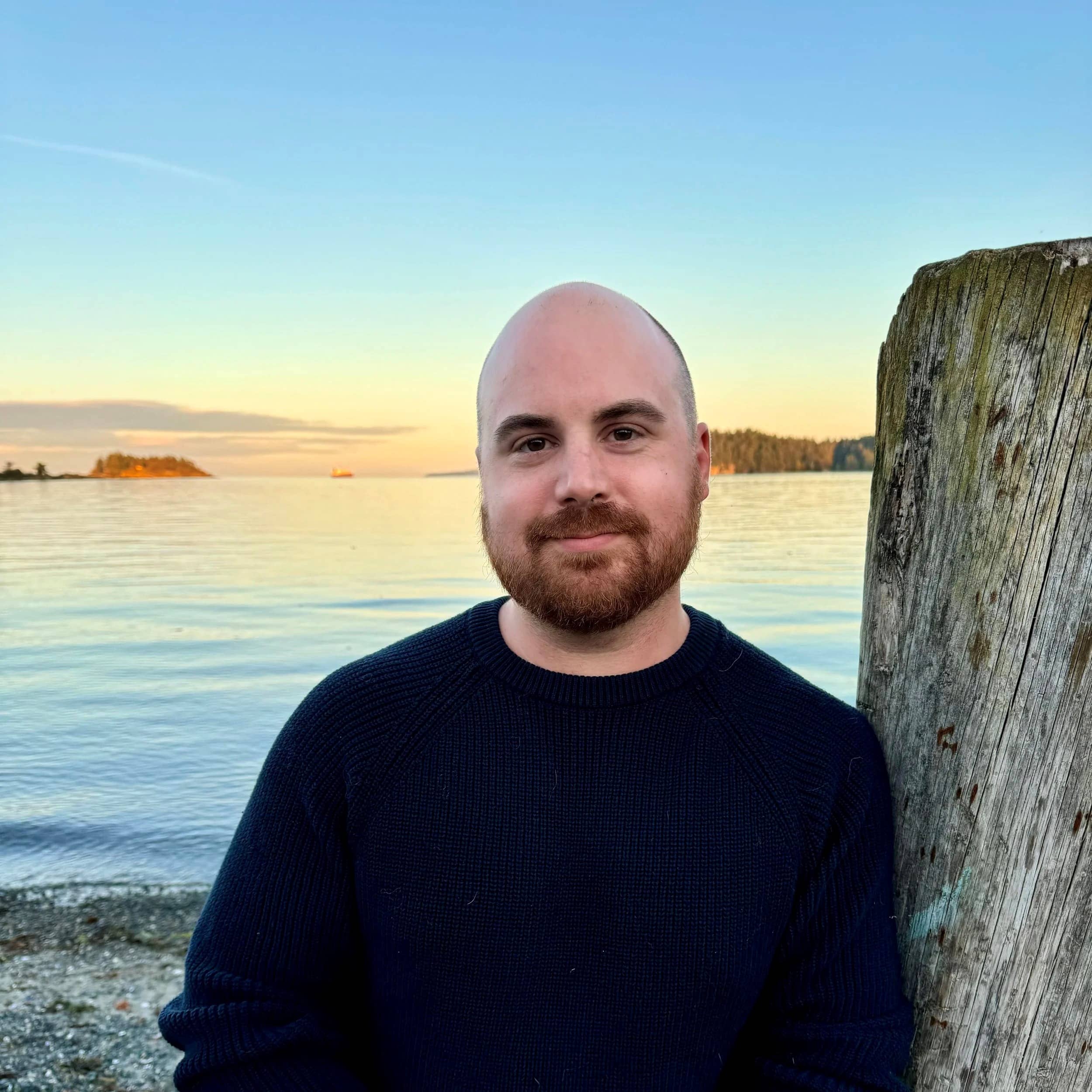
FOUNDER / THERAPIST
- Locations: Nanaimo, Online
- Specialties: Enmeshment Recovery, Sex/Porn Addiction, Process Addictions, PTSD, Complex PTSD, Mood Disorders
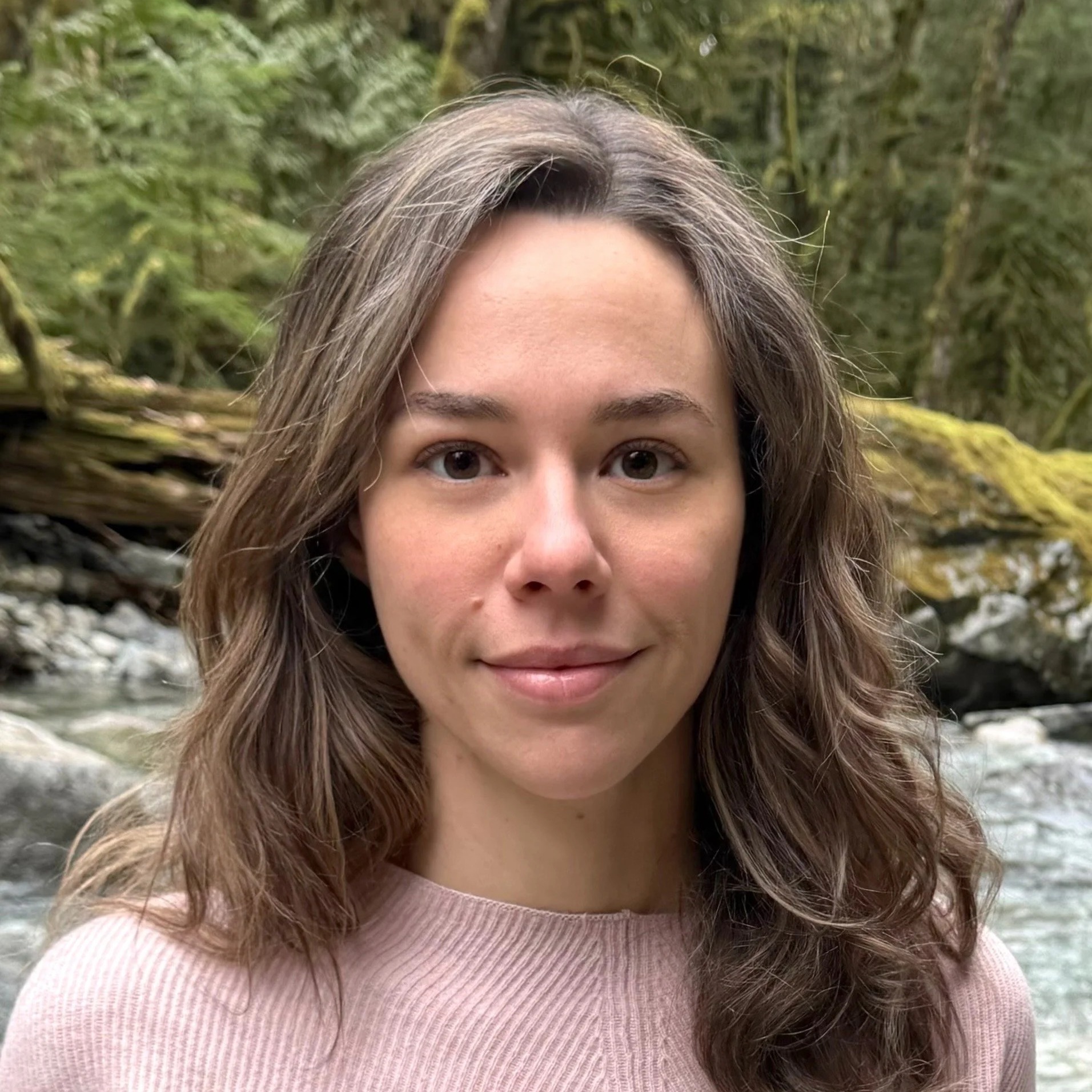
INDIVIDUAL & COUPLES THERAPIST
- Locations: Online
- Specialties: Couples Counselling, Sex/Porn Addiction, Betrayal Trauma, Complex PTSD, PTSD, Mood Disorders, Enmeshment Recovery
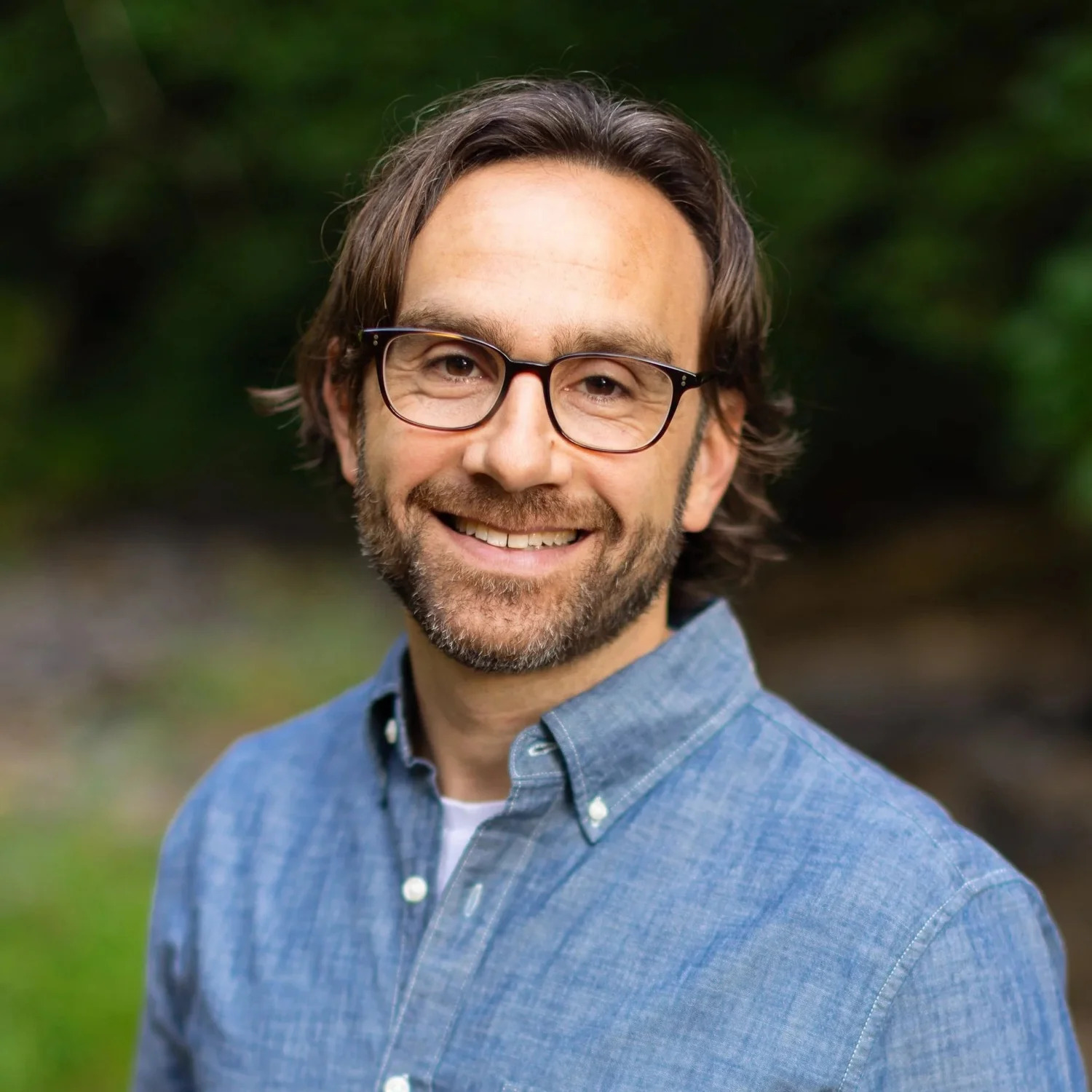
ADDICTION & TRAUMA THERAPIST
- Locations: Nanaimo, Online
- Specialties: Substance Addiction, Sex/Porn Addiction, PTSD, Enmeshment Recovery

INDIVIDUAL THERAPIST
- Locations: Online
- Specialties: Trauma Counselling, Couples Counselling, Sex Addiction Therapy, Substance Abuse Counselling, Depression Therapy, Anxiety Therapy, Enmeshment Recovery
FAQs: Substance Abuse Counselling
Understanding Addiction (Validation)
Addiction (Substance Use Disorder) is not defined by what you use, but by how it affects your life. You may be struggling if you feel unable to stop even when you want to, if you need more of the substance to feel the same effect (tolerance), or if you experience physical withdrawal when you stop. If your use is causing problems at work, home, or in your relationships, and you continue despite these consequences, it is time to seek support.
Addiction is recognized by medical experts as a brain-based health condition, not a moral failing or lack of willpower. Substances change the brain’s reward and decision-making systems, making it incredibly difficult to stop without professional help. Like diabetes or heart disease, it requires treatment and management.
There is no single cause. Addiction is a complex interplay of biology, psychology, and environment. Understanding why is part of the recovery process we explore in therapy.
Yes. We recognize Partner Betrayal Trauma as a distinct issue. You need your own safe space to process the shock and set boundaries, regardless of whether your partner is in recovery.
Treatment & Recovery (Safety)
There is no singular right way to recover. Treatment in BC can range from outpatient counselling (what we offer at Stone Reef) to medical detox, medication-assisted treatment (like OAT), and residential programs. We help you find the level of care that matches your needs.
Harm reduction is a practical approach that focuses on keeping people safe and alive. It acknowledges that stopping use immediately isn’t always possible or desired for everyone right away. Examples include using naloxone kits, testing substances, or using safe consumption sites. It is often a first step toward stability and treatment.
Recovery looks different for everyone. For some, total abstinence is the only safe path. For others, the goal may be reduced use or safer management. We work with you to define what a healthy, reclaimed life looks like for you.
Logistics & BC Context
BC has a pilot project decriminalizing small amounts of certain drugs for personal use by adults. This means you will not be criminally charged for possession of small amounts in specific spaces. However, this is a health measure, not full legalization. Public use is still restricted in many areas (like schools), and trafficking remains illegal.
Help is available regardless of income. In BC, you can access free or low-cost services through:
- Health Authorities: Community mental health & substance use centres.
- Opioid Treatment Access Line: For same-day medication support.
- Foundry BC: Free services for youth ages 12–24.
Who can I call right now for help?
- BC Crisis Line: 310-6789 (no area code)
- HealthLink BC: Call 811 (24/7 non-emergency health info)
- Suicide Crisis Helpline: 988
Substance Counselling: Service Details
Rates & Coverage:
- Standard sessions: 50 mins.
- Many plans cover Registered Clinical Counsellors (RCC).
- Direct Billing available for some providers.
Delivery Options:
- In-Person (Nanaimo)
- Online (Secure Video)
Availability:
- Open 7 Days a Week
- 9am - 5pm