


Anxiety Therapy
Nanaimo • Online Counselling
Individual & Couples Counselling | Workshops & Intensives
Is This You?
The Alarm Sounds, But There’s Nothing to Escape
Your mind rarely rests. You replay conversations, anticipate outcomes, and scan for what might go wrong. Even when things are objectively fine, your body stays tense; braced, alert, and ready.
You may feel driven to stay on top of everything: to plan, prepare, monitor, and fix. Slowing down feels irresponsible or even unsafe. You might ask yourself: “Why can’t I turn this off? Why am I anxious when nothing is actually wrong?” .
Anxiety Isn’t a Personal Failure. It’s a Strategy
Anxiety can be a regulating strategy; that constant vigilance kept you safe. For many people, it developed as a way to monitor relationships, get ahead of disappointment, or manage unpredictability in the past. Your system learned that thinking, anticipating, and controlling reduced risk or harm.
The problem isn’t that you are broken. The problem is that a survival strategy that once protected you has stopped being optional.
Common Signs of Anxiety
Some anxiety is obvious, but other forms are masked as high-functioning or perfectionism. You may recognize yourself in these patterns:
- The Racing Mind: Persistent worry, rumination, or overthinking decisions.
- Physical Tension: A constant sense of being on edge, tight chest, or shallow breathing.
- Inability to Relax: Feeling restless during downtime; needing to be productive to feel okay.
- Vigilance: Feeling responsible for preventing problems or mistakes.
- Avoidance: Steering clear of situations that feel triggering, uncertain, or out of your control.
- Exhaustion: Feeling mentally drained from constantly scanning your environment.
Common Presentations of Anxiety
High-Functioning Anxiety
You are successful and organized on the outside, but inside you are driven by a fear of making mistakes or disappointing people. You over-prepare, over-work, and struggle to ever truly switch off.
The Physical Alarm
Anxiety isn’t just in your head; it’s in your body. You experience rapid heartbeat, stomach issues, jaw tension, or a nervous system that reacts before your mind can even catch up.
Perfectionism & Control
You feel a compulsive need for certainty and for things to be perfect. You struggle to delegate or trust others, believing that if you don’t handle it, something terrible will happen.
Our Approach: Mind & Body
Insight alone doesn’t calm anxiety, and willpower doesn’t override a threat response. At Stone Reef, we address both the mind and the nervous system .
Phase 1:
Calming the Mind (CBT)
Using Cognitive Behavioural Therapy, and Psychodynamic approaches we help you identify the thought patterns keeping the alarm system running, like catastrophizing or overestimating threats. We compassionately challenge these habits so they stop automatically driving your reactions .
Phase 2:
Regulating the Body (DBT)
Where anxiety isn’t logical, we use Dialectical Behaviour Therapy. This focuses on nervous system regulation and distress tolerance. You learn how to stay present with anxiety and uncertainty without escalating into panic or shutdown .
Phase 3:
Regaining Flexibility
The goal isn’t to stop caring or avoiding healthy anxiety. It’s to loosen anxiety’s grip. We help your system regain flexibility so anxiety becomes a helpful signal you can respond to, rather than a state you are trapped inside .
Meet Our Anxiety Therapists
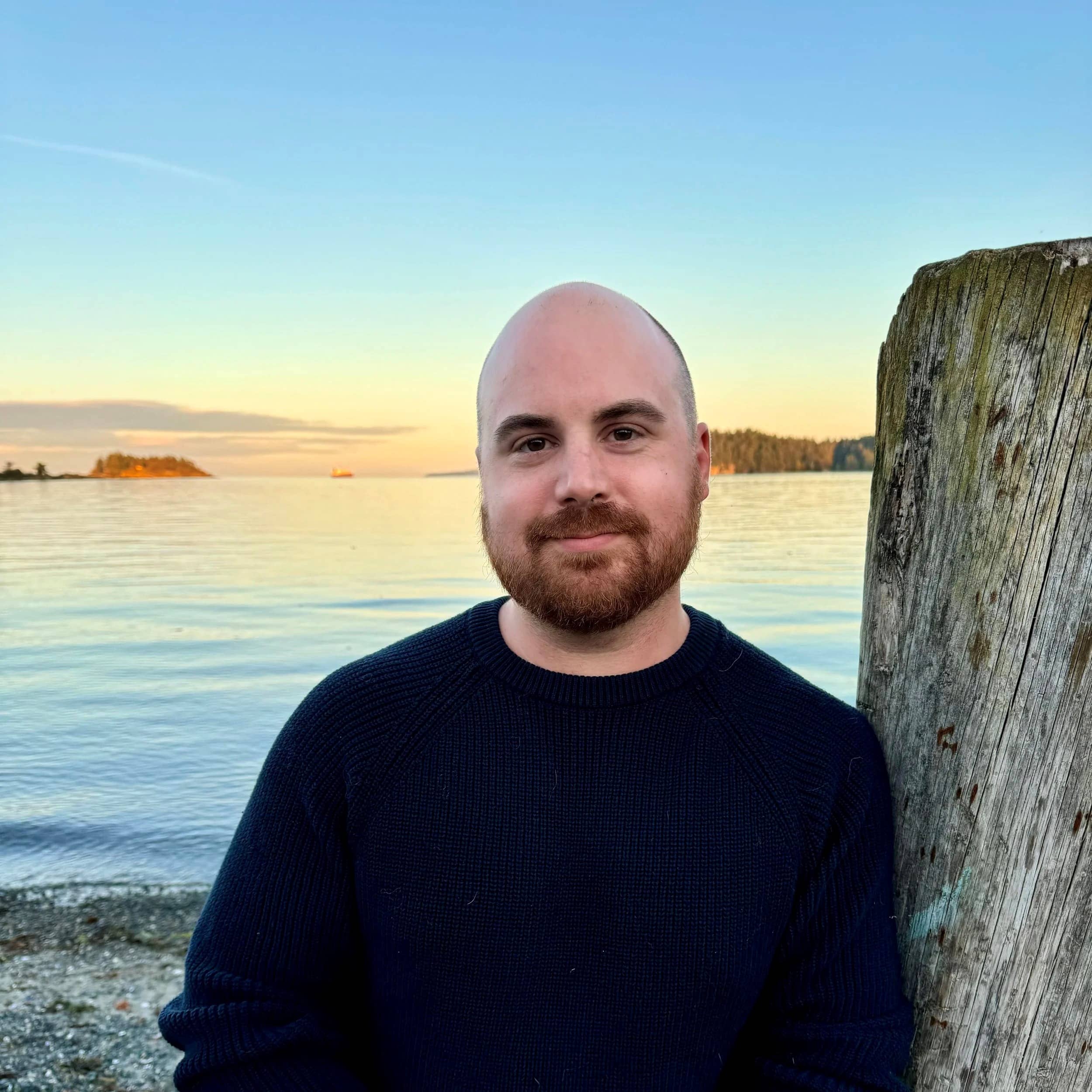
FOUNDER / THERAPIST
- Locations: Nanaimo, Online
- Specialties: Enmeshment Recovery, Sex/Porn Addiction, Process Addictions, PTSD, Complex PTSD, Mood Disorders

INDIVIDUAL & COUPLES THERAPIST
- Locations: Online
- Specialties: Couples Counselling, Sex/Porn Addiction, Betrayal Trauma, Complex PTSD, PTSD, Mood Disorders, Enmeshment Recovery

ADDICTION & TRAUMA THERAPIST
- Locations: Nanaimo, Online
- Specialties: Substance Addiction, Sex/Porn Addiction, PTSD, Enmeshment Recovery

INDIVIDUAL THERAPIST
- Locations: Online
- Specialties: Trauma Counselling, Couples Counselling, Sex Addiction Therapy, Substance Abuse Counselling, Depression Therapy, Anxiety Therapy, Enmeshment Recovery
Anxiety Therapy: Service Details
Rates & Coverage:
- Standard sessions: 50 mins.
- Many plans cover Registered Clinical Counsellors (RCC).
- Direct billing available for some providers.
Delivery Options:
- In-Person (Nanaimo)
- Online (Secure Video)
- Telephone
Availability:
- Open 7 Days a Week
- 9am - 5pm
FAQs: Anxiety Therapy
Understanding Your Experience
Stress is usually tied to a specific event and eases once that event passes. Anxiety tends to linger even when there’s nothing concrete to point to or a persistent sense of worry about the future. If your mind rarely switches off, your body stays tense, and the feeling doesn’t match what’s actually happening around you, that points to anxiety rather than ordinary stress.
It’s anxiety hidden behind competence. On the outside you look organized, capable, and successful; on the inside you’re driven by a fear of making mistakes or letting people down. You over-prepare, over-work, and struggle to switch off. Because you’re still performing well, high-functioning anxiety often goes unnoticed by others until the exhaustion catches up and you burnout.
Anxiety isn’t logical at times. For many people it began as a survival strategy as a way to stay ahead of disappointment, monitor relationships, or manage unpredictability. Your nervous system learned that constant vigilance kept you safe, so it keeps sounding the alarm even when there’s no real threat. It’s an outdated strategy that once protected you and is now burning you out.
Yes. Anxiety lives in the body as much as the mind. A racing heart, tight chest, shallow breathing, nausea, jaw tension, restlessness, and disrupted sleep are all common. Sometimes the body reacts before your mind even registers a worry, which is why cognitive strategies alone are sometimes ineffective.
The Therapy Process
We work with both your mind and your nervous system. Early on, we use Cognitive Behavioural Therapy (CBT) to identify the thought patterns that lead to anxiety, such as catastrophizing or overestimating threats, and challenge them. Alongside that, we use Dialectical Behaviour Therapy (DBT) skills so you can stay present with anxiety and uncertainty without tipping into panic or shutdown.
The goal isn’t to erase anxiety, some anxiety is healthy and useful. The goal is to loosen its grip on you so it becomes a signal you can respond to, rather than a state you feel trapped inside. Most people find their anxiety grows more manageable and far less exhausting.
There’s no single answer for everyone, which is why our clinicians utilize a variety of approaches. CBT and psychodynamic work address the thinking patterns behind anxiety; DBT helps regulate the nervous system and intense emotions. We tailor the mix to you rather than applying a one-size-fits-all program.
Many people manage anxiety well with therapy alone, while others find a combination of therapy and medication works best. As Registered Clinical Counsellors we don’t prescribe medication, but we’re glad to work alongside your family doctor or a psychiatrist if it’s something you want to explore.
Logistics & Practical Support
There’s no fixed timeline. Some people feel noticeable relief from specific symptoms within a few months; others choose longer-term work to ease deeper, long-standing patterns. We’ll talk openly about your goals and pace so the process fits your needs.
Yes. Research shows online therapy is as effective as in-person for anxiety, and many people find it easier to open up from the comfort of their own home. We offer secure video and telephone sessions across British Columbia, plus in-person appointments in Nanaimo.
Support should be reachable. In BC you can access free or low-cost help through Anxiety Canada (free self-help tools and its MindShift CBT app), Foundry BC (ages 12–24), and community mental-health programs through your regional health authority. We also offer lower-cost sessions with our supervised student counsellor, Lindsay Webster.
If anxiety ever escalates into crisis, you don’t have to wait for an appointment:
- 9-8-8 Suicide Crisis Helpline: call or text 988 (24/7)
- BC Crisis Line: 310-6789 (no area code needed)
- KUU-US Crisis Line: 1-800-588-8717 (Indigenous-specific, 24/7)