

Trauma Counselling
Nanaimo • Squamish • Online
Video Counselling | Telephone Counselling | In-Person Counselling
Specialties
CPTSD • PTSD • Betrayal Trauma
On this Page
Is This You?
Living With an Outdated
Map
You may wonder why certain situations hit you so hard. Why does your body react before your mind can catch up? You might ask yourself: Why can’t I just move on?
Trauma is not defined just by the event—whether it was a single accident or years of stress. Your personal trauma is defined by how your nervous system had to adapt to survive.
When Survival Strategies Outlive Their Purpose
To protect yourself, you learned to be on guard, to shut down, or to please others. These survival strategies were intelligent at the time.
Think of them like wearing a heavy ski jacket. In a blizzard, that jacket saves your life. But if you keep wearing your ski jacket in the heat of summer, it becomes unbearable. The habits (your survival strategies) that protected you in the past are now getting in the way of your life, of how you want to live today.
Common Signs of Trauma
- Intense Reactions: Feeling flooded, numb, or “far away” during normal daily stress
- Hypervigilance: Feeling on edge (tense) even when things are objectively safe
- The Inner Critic: A harsh internal voice that feels protective but punishing
- Physical Disconnection: Feeling unsafe in your body or unable to identify what you feel
- Relationship Patterns: Repeating cycles you understand logically but can’t seem to stop
- Sleep Issues: Difficulty falling asleep, staying asleep, or waking up exhausted.
- Avoidance: Steering clear of places, people, or conversations that remind you of the past
- Shame: A persistent feeling of defectiveness or “badness”
- Burnout: Over-functioning and staying busy to avoid feeling, followed by a crash
- “Survival Mode”: Living in a state of alert, waiting for the next bad thing to happen
Issues We Treat
Trauma from childhood related to family of origin and attachment can follow individuals throughout their lives and become an unwelcome guest blocking healthy relationships and overall life satisfaction. Stone Reef therapists will use compassionate inquiry to help you make sense of your past and give you the skills you need to understand your patterns and ultimately heal.
Many traumatized individuals struggle with the triggering emotional residue of traumatic memories. At Stone Reef, we are trained in both EMDR and ART to desensitize and reprocess traumatic memories. We pair eye movement therapy with other models such as DBT, IFS, CBT, psychodynamic, and narrative to provide you with a complete approach to trauma recovery.
Individuals who experience betrayal can have identical symptoms that fit the clinical presentation of PTSD. Specialized support is needed to help heal the wounds of betrayal and regain trust in the self after gaslighting and other forms of emotional abuse. Stone Reef therapists have been trained by pioneers in the betrayal trauma field, Dr. Kevin Skinner and Dr. Stefanie Carnes, and can help you move forward.
Shattered Hearts: the Wounds of Betrayal >>
Our Approach to Trauma Counselling
Healing isn’t linear, so having a map helps. At Stone Reef, we guide you through three phases of recovery.
Phase 1:
Safety & Stabilization
Before we visit the past, we help you feel safe in the present. If you are living in constant alert, insight isn’t enough. We use tools from [Link: DBT] and [Link: CBT] to help you regulate your emotions. The goal is to help your nervous system feel steady enough to stay present.
Phase 2:
Processing & Desensitization
Trauma often lingers in the body. We use structured therapies like [Link: EMDR] and [Link: ART] to reprocess your traumatic memories so they lose their emotional charge. We may also use [Link: IFS] to understand the survival strategies you use to protect you. The goal isn’t to relive the pain—it’s about learning new ways to integrate your memories and triggers so they no longer control you.
Phase 3:
Reconnection
As your trauma loosens its grip, we focus on your life moving forward. We use [Link: Psychodynamic Therapy] to help you rewrite the story you believe about yourself. This phase is about rebuilding trust in your instincts, strengthening boundaries, and moving from reacting to the past to responding to the present.
FAQs: Trauma Counselling
Understanding Your Experience
Trauma is not just about what happened to you; it is about how your body and mind responded to it. If you experienced a distressing event (like an accident, abuse, or sudden loss) and now feel overwhelmed, stuck, or unable to cope, that is trauma. Common signs include flashbacks, avoiding reminders, feeling on edge, or feeling numb.
Yes. This is often a sign of Complex Trauma, which comes from repeated exposure to difficult events (like neglect or abuse) rather than a single shock. When trauma is ongoing, the brain sometimes “blocks out” memories to survive. If you struggle with trust, emotional regulation, or self-esteem without knowing exactly why, it may be linked to early complex trauma.
Stress usually goes away when the pressure stops. Anxiety is ongoing worry about the future. Trauma is a biological change in how your brain responds to danger. It often involves flashbacks, physical reactivity (fight/flight/freeze), and a deep sense of unsafety that doesn’t match your current reality.
Absolutely. Early trauma shapes how the brain develops and how we form relationships. Many adults find that they struggle with trust, self-worth, or physical health issues decades later. Therapy helps re-wire these old patterns so they don’t have to run your adult life.
The Therapy Process
No. This is a common fear, but healing does not require you to re-live every graphic detail. We use “Trauma-Informed Practice,” which prioritizes your safety and choice. Therapies like EMDR and Somatic Experiencing allow us to process the impact of the trauma without necessarily having to verbally describe the entire event.
It is normal to feel tired or emotional after a session, as you are processing heavy material. However, we move at a pace that ensures you are not re-traumatized. Our first priority is “stabilization”—giving you tools to handle distress before we do deep work.
beyond just “talk therapy.” We use evidence-based methods including Cognitive Behavioural Therapy (CBT), Eye Movement Desensitization and Reprocessing (EMDR), and somatic (body-based) therapies to help the nervous system release stuck energy.
Logistics & Practical Support
There is no set timeline. Some people feel relief from specific symptoms within months, while others engage in longer-term work to heal complex history. The goal isn’t to erase the memory, but to make it manageable so you can live a full, meaningful life.
We believe help should be accessible. In BC, you can access free or low-cost counseling through VictimLink BC (for victims of crime), Foundry BC (for youth), or community mental health programs via your regional health authority. If you have been injured at work, WorkSafeBC may also provide coverage.
Yes. Research shows online trauma therapy is just as effective as in-person. Many clients actually find it safer to process difficult memories from the comfort of their own home.
If you are in crisis, please reach out to:
- BC Crisis Line: 310-6789 (no area code needed)
- VictimLink BC: 1-800-563-0808 (24/7 support)
- KUU-US Crisis Line: 1-800-588-8717 (Indigenous-specific support)
Clinical Sources & References
HeretoHelp BC:
BC Government:
BC Mental Health & Substance Use Services (BCMHSUS):
VictimLink BC:
WorkSafeBC:
Foundry BC:
Meet Our Trauma Therapist Team
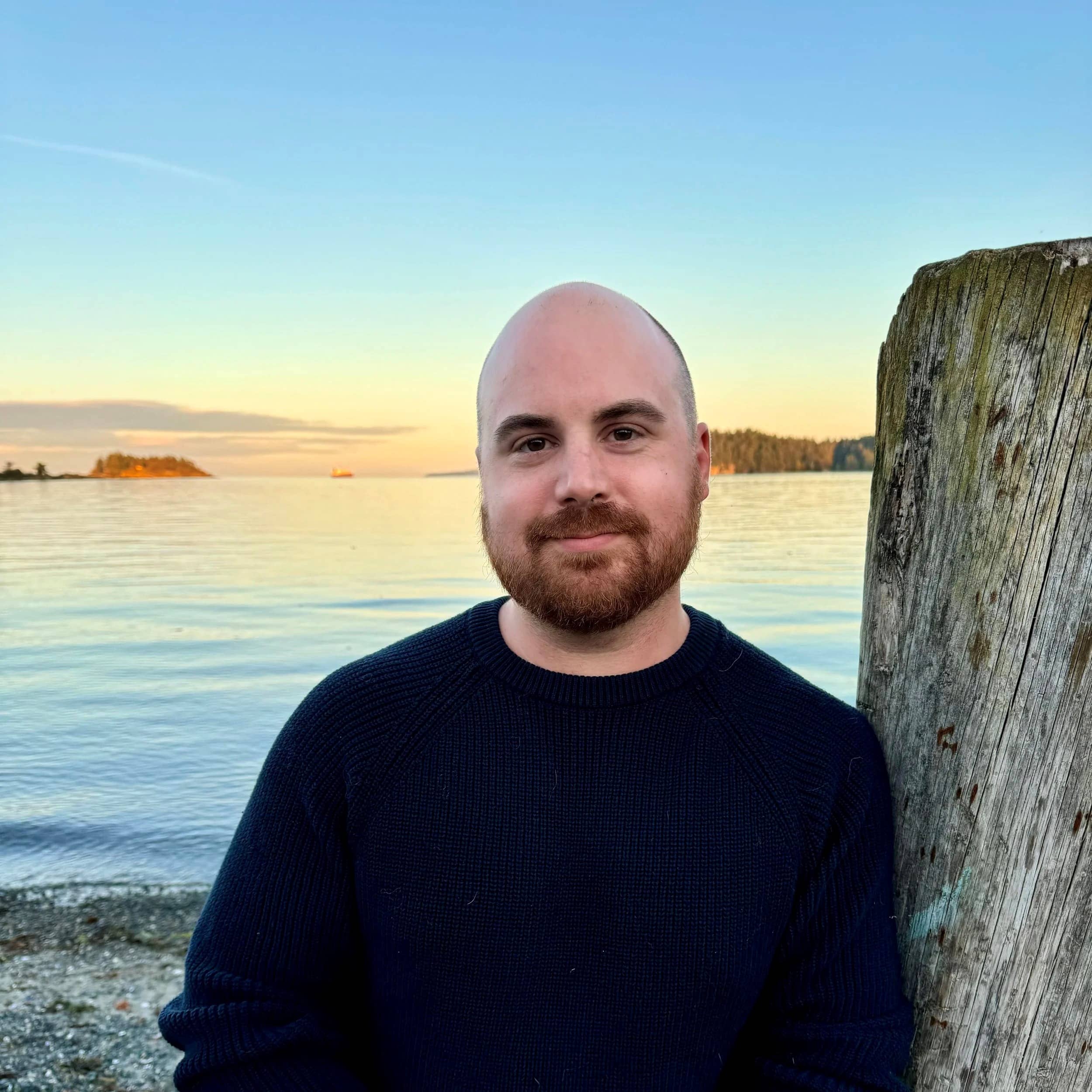
FOUNDER / THERAPIST
- Locations: Nanaimo, Online
- Specialities: Enmeshment Recovery, Sex/Porn Addiction, Process Addictions, PTSD, Complex PTSD, Mood Disorders
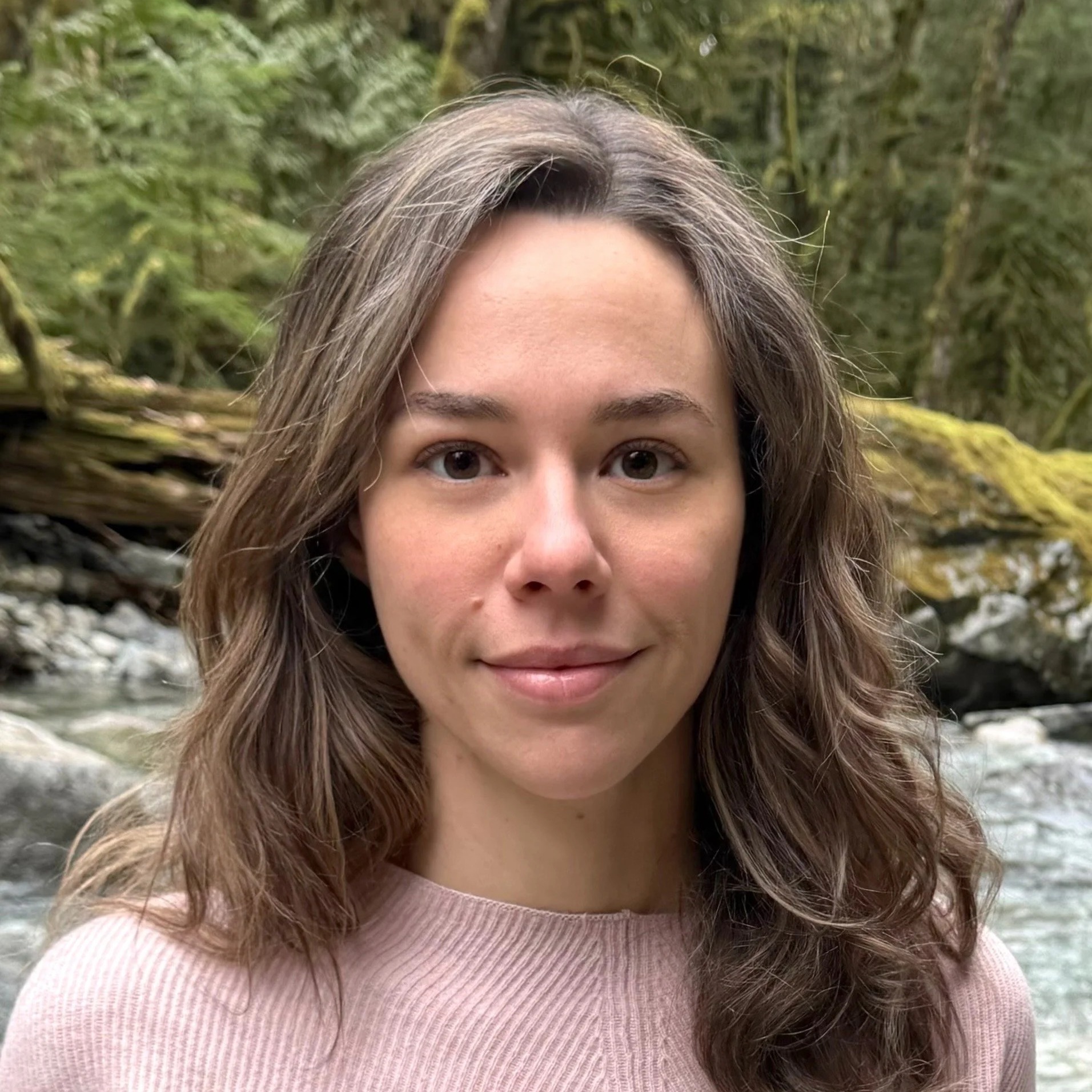
INDIVIDUAL & COUPLES THERAPIST
- Locations: Squamish, Online
- Specialties: Couples Counselling, Sex/Porn Addiction, Betrayal Trauma, Complex PTSD, PTSD, Mood Disorders, Enmeshment Recovery
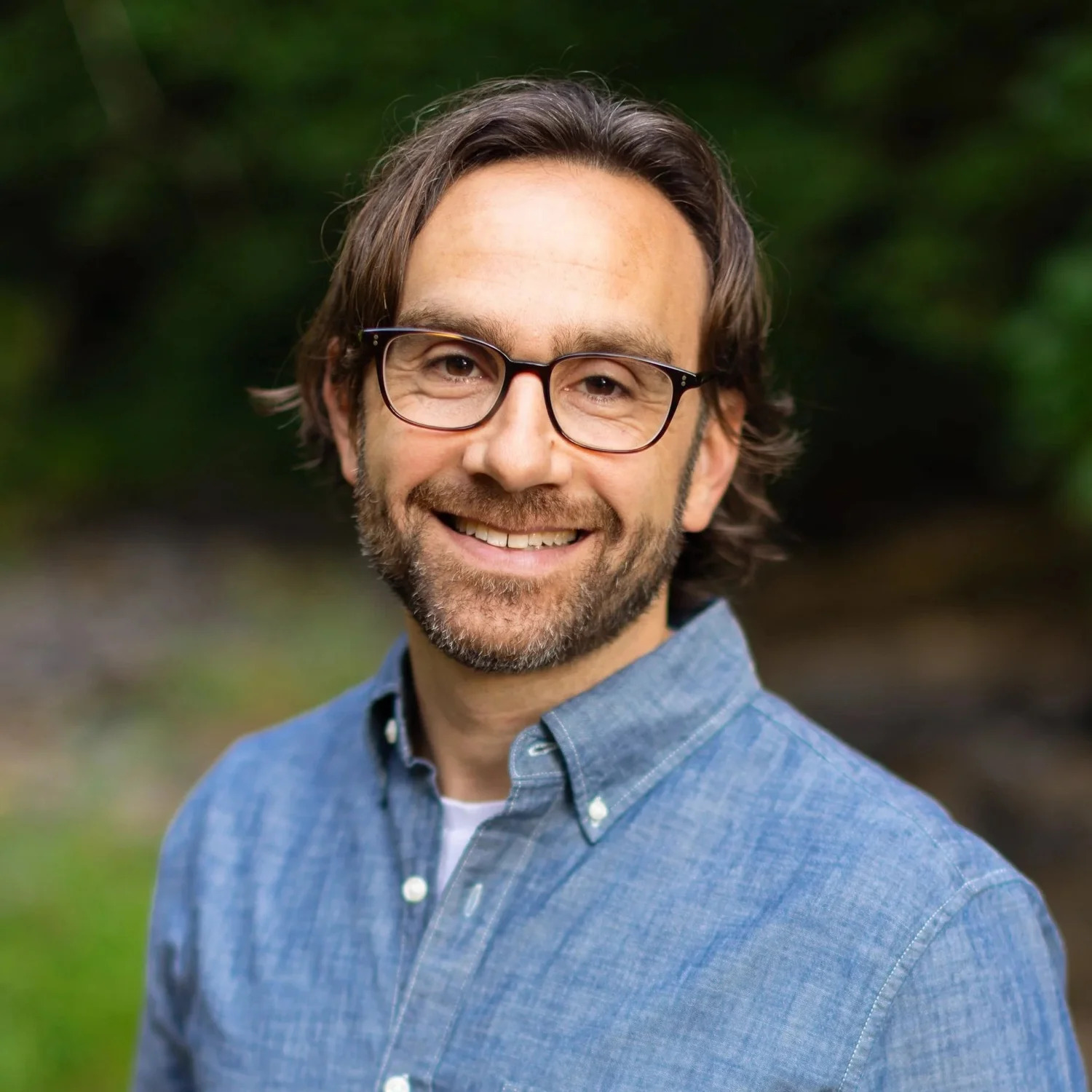
ADDICTION & TRAUMA THERAPIST
- Locations: Nanaimo, Online
- Specialties: Substance Addiction, Sex/Porn Addiction, PTSD

Meesha Parmar
INDIVIDUAL THERAPIST
- Locations: Online
- Office Hours: Monday - Friday | 11am - 8pm
- Rate: $165 / 50-Minute Session
Student Counselling
- Locations: Online
- Office Hours: 9am - 8pm
- Rate: $40 / 50-Minute Session
- Video Counselling
- Telephone Counselling
- Individual Counselling
- Couples Counselling
- Workshops
- Video Counselling
- Telephone Counselling
- Individual Counselling
- Couples Counselling
- Workshops
Now Accepting New Clients for Trauma Counselling
You do not have to walk this path alone. Take the first step today.